
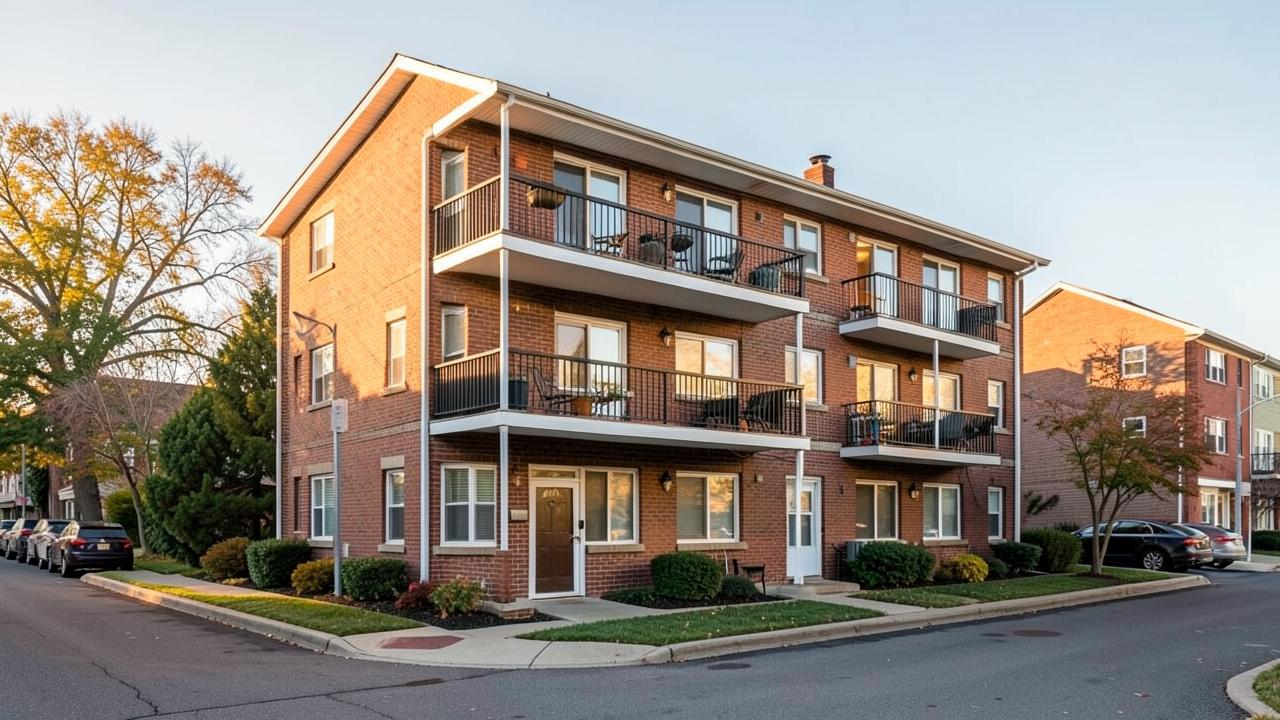
What is loss of rents coverage?
Loss of rents coverage replaces the rental income you lose when a covered loss — like a fire, burst pipe, or major water damage — makes your rental property unrentable while it's being repaired. It's part of a landlord (rented-dwelling) policy, and for most property investors it's essential, because the mortgage, taxes, and insurance keep coming due even when the rent stops.
How does loss of rents actually work?
If a covered peril damages the unit so a tenant can't live there, the insurer pays the lost rent for the period it reasonably takes to repair — up to your policy's limit and time cap. It's tied to a covered loss, so it responds to sudden damage (fire, water, storm), not to a tenant simply not paying or a normal vacancy between tenants.
How much loss of rents coverage do I need?
A good rule of thumb is enough to cover your monthly rent for the realistic time a serious repair would take — often several months to over a year for major damage. Set the limit to your actual rent roll, not a guess. If you own multiple units, each should be covered to its own rent. We'll size it to your leases.
Does it cover a tenant who stops paying?
No. Loss of rents responds to physical damage from a covered peril, not to non-payment or eviction. Rent-default and tenant-related losses are a different (and limited) type of coverage. It's an important distinction — we'll make sure you know exactly what your policy does and doesn't do.
FAQ
Is loss of rents automatic on a landlord policy? Often included but not always at the right limit — confirm it's there and sized to your rent. What if only one unit of a multiplex is damaged? It covers the lost rent for the affected unit(s). Does it cover Airbnb/short-term rental income? Short-term rental income needs a policy built for STR — tell us if you rent short-term.