
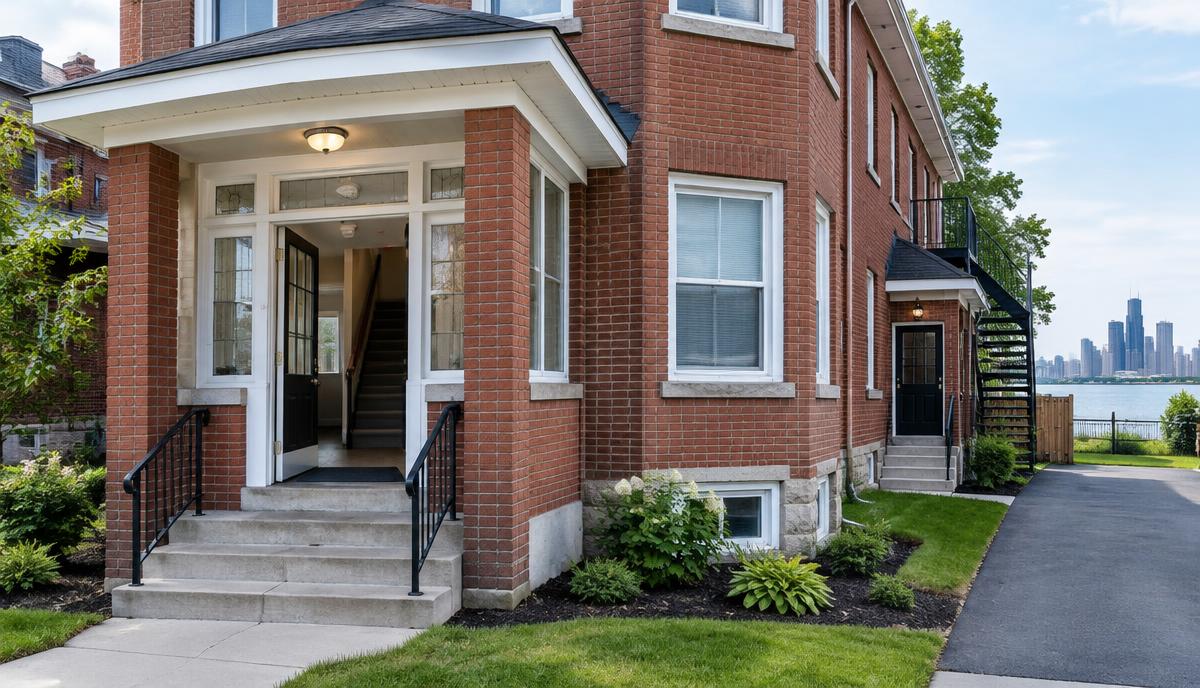
A Windsor rooming house or lodging house rents individual rooms to several unrelated residents who often share a kitchen or bathroom. Many standard home and landlord insurers will not write this occupancy. It usually needs a specialty policy that clearly states how the property is used.
Occupancy comes first
Insurers ask how many rooms and residents the building has, whether rooms have locks, whether cooking is shared, and whether an owner or manager lives on site. They also want to know how residents are screened, how often rooms are vacant and how regularly the property is inspected.
A policy written for a single-family rental may not respond properly to a rooming-house claim. Tell the broker exactly how the building operates, even if another insurer previously described it differently.
Fire safety and city records
Fire safety is central to underwriting. Be ready to provide smoke and carbon-monoxide alarm details, alarm tests, extinguisher tags, clear exit routes, fire separations and any fire panel or sprinkler information. Insurers may also ask about municipal licensing, inspections and a fire-safety plan.
Rules for rooming and lodging houses can change. Check current requirements directly with the City of Windsor and the fire department. Insurance does not replace compliance, but complete records can make the property easier to place.
Building condition
Older Windsor houses can have outdated electrical panels, wiring, plumbing, heating or roofs. Insurers ask when each system was updated and may request photographs or inspection reports. Fixing known hazards before seeking coverage can improve both eligibility and terms.
Keep the property clean, halls clear and repairs documented. If you use an off-site manager, show how often that person visits. Strong management records matter because several unrelated residents create more frequent use of kitchens, stairs, entrances and shared systems.
Coverage to request
The building limit should reflect realistic replacement cost. Landlord liability should fit the number of residents and the property's exposure. Loss of rental income can keep mortgage and operating costs paid while repairs follow a covered loss. Water and sewer backup, bylaw and code-upgrade coverage, and umbrella liability may also be important.
Residents' belongings are not covered by the landlord's policy. Each person should arrange tenant insurance for contents and personal liability.
Standard and specialty markets
Standard insurers often decline rooming houses. Specialty markets assess them case by case and may charge more because of the number of residents, shared spaces and fire exposure. Good records, safety upgrades and consistent management can improve the submission and give the underwriter a clearer picture of the risk.
If another insurer cancelled the property after a loss, keep the report, repair invoices and proof of improvements. A broker can use those documents to explain what happened and what changed.
Read the full rooming house insurance in Windsor guide, review student rental insurance, or request a quote.