
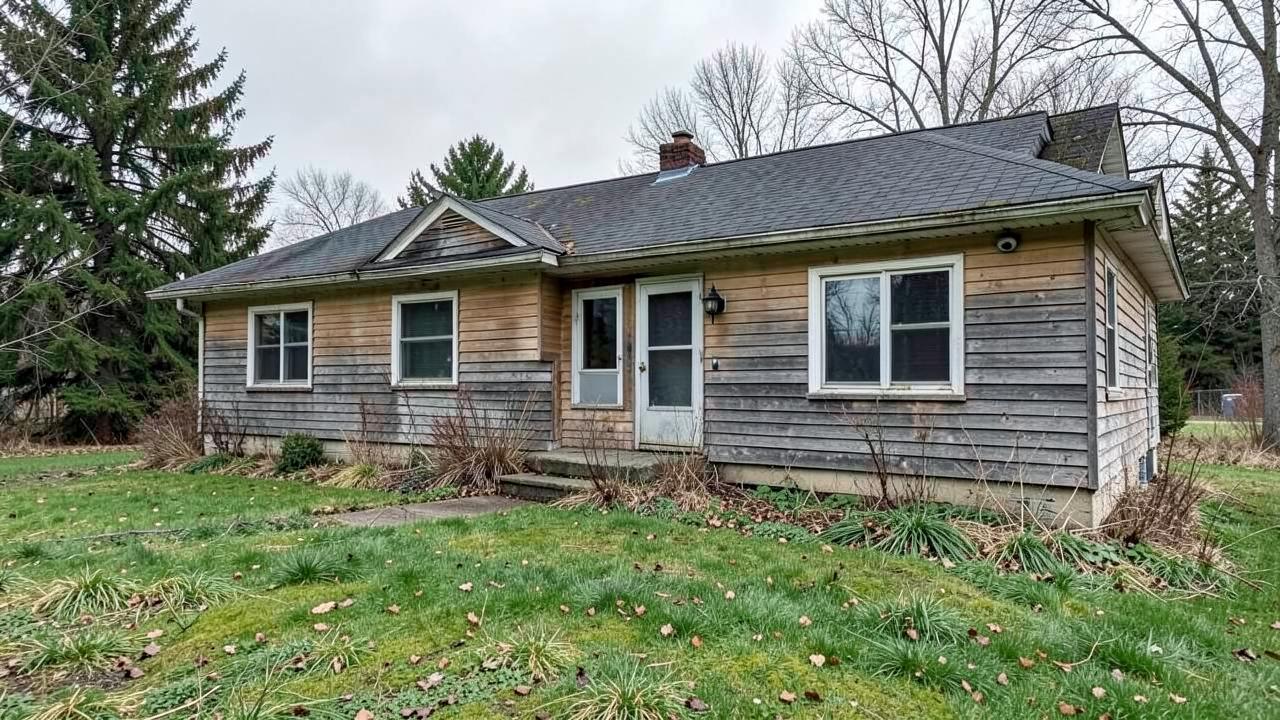
How do you insure a vacant property in Ontario?
A vacant property is insured with a specialty vacancy policy, because standard home and commercial policies restrict or exclude coverage once a building is unoccupied for a set period (often 30 days). Vacancy raises the risk of undetected water damage, vandalism, and fire, so it's placed with insurers that specifically underwrite empty buildings — for a renovation, an estate, a property between tenants, or one waiting to sell.
Why does vacancy matter so much to insurers?
An empty building has no one to notice a burst pipe, a break-in, or a small fire before it becomes a large claim. That's why most standard policies reduce or void coverage after a vacancy period. Common vacancy situations: a home for sale, an estate/probate property, a rental between tenants, a renovation, or a newly purchased building not yet occupied.
What does vacant property insurance cover?
A vacancy policy typically covers the building against fire and specified perils, and can be arranged with or without water damage depending on the insurer and whether the water is shut off. Coverage and price depend on why it's vacant, how long, the building's condition, whether utilities/heat are on, and whether it's monitored. We match those specifics to the right market.
How do I keep coverage while my property is vacant?
The key is to tell your broker before the property goes vacant, not after a claim. We either add a vacancy permit/endorsement or move the property to a vacancy policy, so there's no gap. Simple steps — keeping heat on in winter, shutting off water, securing the building — also widen your options and lower cost.
FAQ
How long can a property be empty before it's "vacant"? Often about 30 days on a standard policy, but it varies — check yours. Is a property being renovated considered vacant? Usually yes, and renovations add risk, so it needs the right coverage. Can you cover a vacant commercial building or plaza? Yes, including partially-vacant plazas.